
How Ohio's Changing Seasons Can Affect Your Eye Health
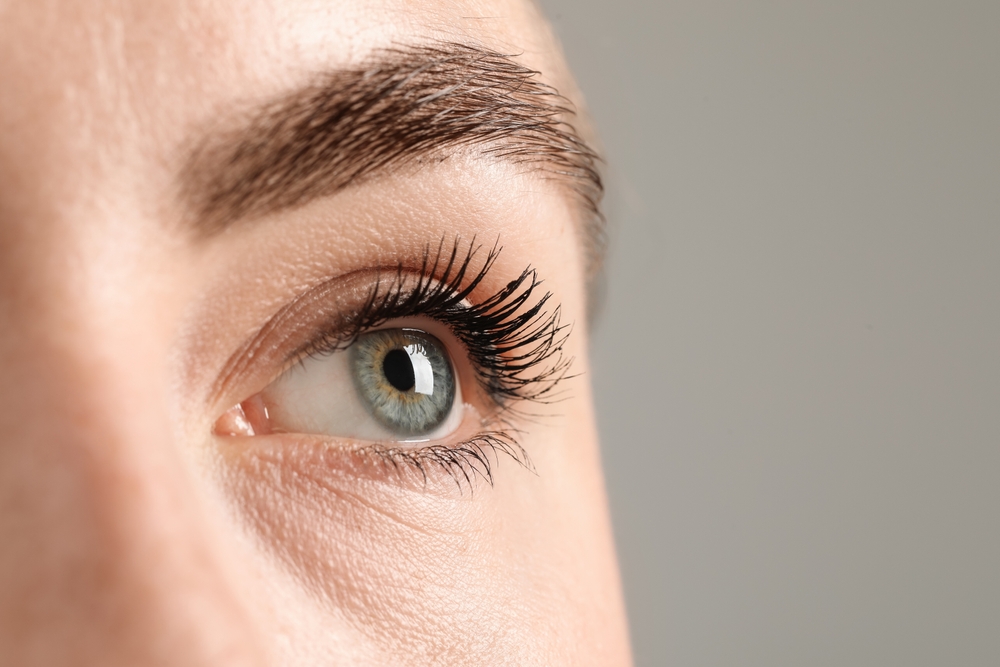
Ohio’s seasons bring more than changes in temperature. Shifts in pollen levels, humidity, sunlight, and indoor air can affect how your eyes feel and function. From spring allergies to winter dryness, recognizing seasonal eye health concerns can help you stay comfortable throughout the year. At Ivy Hills Eyecare in Newtown, we encourage patients to pay attention to recurring symptoms rather than assuming irritation is simply part of the weather.
Spring: Pollen and Eye Allergies
When Ohio's trees and grasses release pollen, itchy, watery, red eyes become common. Seasonal allergic conjunctivitis can also cause swelling and a burning sensation. Unlike many other causes of irritation, eye allergies typically produce noticeable itching. Rubbing your eyes can worsen discomfort, while contact lenses may feel less comfortable during high-pollen days.
We can help determine whether your symptoms are related to allergies, dry eye, or another eye condition so you can choose appropriate relief rather than relying on guesswork.
Summer: Sun Exposure and Outdoor Activities
Longer days mean more time in sunlight, whether you are driving, enjoying local parks, or spending time near the water. Repeated ultraviolet (UV) exposure can contribute to cataracts and other eye problems. Sunglasses labeled UV400 or offering 99 to 100 percent UVA and UVB protection are a practical safeguard, even on overcast days.
For yardwork, sports, or other outdoor activities, proper protective eyewear also reduces the risk of injury from debris.
Fall: Ragweed, Mold, and Dryness
Autumn in Ohio can bring another wave of allergy symptoms. Ragweed pollen and outdoor mold may trigger redness, itching, and excessive tearing. At the same time, cooler winds and shifts in humidity can contribute to dryness or fluctuating vision.
Because eye allergies and dry eye share symptoms, persistent irritation deserves an examination. Our team can assess your eye surface and recommend care based on what is actually causing the problem.
Winter: Indoor Heat and Cold Air
When temperatures drop, indoor heating often lowers the humidity in homes and offices. Cold wind outside and dry air inside may increase tear evaporation, leaving eyes gritty, tired, or uncomfortable. Contact lens wearers may notice additional dryness.
A humidifier, breaks from screens, and lubricating eye drops recommended by your eye doctor may help. If symptoms continue, we can evaluate whether dry eye or another condition needs attention.
Protecting Your Eyes Through Every Season
Simple habits can help reduce seasonal eye irritation and protect your long-term vision:
· Check pollen counts before spending extended time outdoors.
· Avoid rubbing itchy eyes and wash your hands after outdoor activities.
· Wear sunglasses with full UVA and UVB protection year-round.
· Use protective eyewear for mowing, gardening, and sports.
· Schedule regular comprehensive eye exams, especially if symptoms keep returning.
Seasonal discomfort should not interfere with your daily life. At Ivy Hills Eyecare, we provide comprehensive eye exams and evaluate conditions such as dry eye and eye allergies to help you maintain comfortable, clear vision throughout the year.
Stay ahead of seasonal eye discomfort and schedule a comprehensive eye exam with Ivy Hills Eyecare in Newtown, OH, by calling (513) 991-7090.
Quick Links
Helpful Articles

All Eye Care Services
Find personalized eye care excellence with our comprehensive services. From eye exams to advanced diagnostics, trust us for all your vision needs.
Keep In Touch
For non-urgent questions or to learn more about our services, contact us today!

- Monday 8:30 am - 5:00 pm
- Tuesday 10:00 am - 7:00 pm
- Wednesday 8:30 am - 5:00 pm
- Thursday 8:30 am - 5:00 pm
- Friday 8:30 am - 2:00 pm
- Saturday Closed
- Sunday Closed
- Monday
- Tuesday
- Wednesday
- Thursday
- Friday
- Saturday
- Sunday
- Monday
- Tuesday
- Wednesday
- Thursday
- Friday
- Saturday
- Sunday
© 2026 Ivy Hills Eyecare. All rights Reserved - Accessibility Statement - Privacy Policy - Sitemap
Managed and Designed by 